So, if you landed here searching for , consider this your sign. Put on your headphones, turn off the lights, and let the curry burn. Loved this deep dive? Share this article with fellow web series fans. And yes—there is no official Part 3, but we will update this space if the curry ever simmers again. Disclaimer: This article is for informational and entertainment purposes. All series details are based on publicly available search trends and fan discussions. Names and plot points are accurate to the original Kooku release as of 2021.
Munni, who had been playing both sides, finally chooses a lane. She reveals that Bhola is actually Thakur’s illegitimate son. The first 10 minutes are a masterclass in tension—dialogue is sparse, but the cinematography (dimly lit rooms, close-up shots of sweating faces) screams Kooku’s signature raw style. The title Chiken Curry isn't just a misspelling of "chicken"—it’s intentional. In Part 2, a village festival features a legendary chicken curry competition. Thakur uses the event to publicly humiliate Raja. But Raja, using a secret family recipe, turns the tables. This sequence is surreal: a cooking contest becomes a proxy war. The judges, the villagers, even the police are part of Thakur’s payroll, but Raja’s dish—"The Curry of Vengeance"—poisons Thakur’s top lieutenant.
Yes, it’s melodramatic. And yes, it works brilliantly. The final 15 minutes are relentless. Raja corners Bhola in the now-abandoned curry kitchen. The dialogue: Raja: “You were my brother, Bhola. We ate from the same plate.” Bhola: “And you always took the bigger piece of chicken.” That single line sums up the envy-driven tragedy of Chiken Curry Part 2 . The fight sequence is brutally choreographed—no wirework, just fists, knives, and a boiling pot of curry used as a weapon.
A Deep Dive into the Climax, Characters, and Controversy If you were one of the millions who binge-watched the first installment of Chiken Curry on the OTT platform Kooku, you already know that this wasn't your average family drama. In 2021, Kooku Originals dropped a bombshell with Chiken Curry Part 2 , a sequel that not only delivered on the promises of its predecessor but also elevated the stakes, the spice, and the sheer unpredictability of the narrative.
The keyword still sees hundreds of monthly searches, indicating that new viewers are discovering it even years later. It has become a template for how low-budget, story-first content can beat big-money productions. Conclusion: A Modern Cult Classic Chiken Curry Part 2 is not fine dining. It is street food—messy, spicy, and unforgettable. For fans of raw thriller dramas, regional cinema, or anyone tired of sanitized OTT content, this 2021 Kooku Original is a must-watch.
For those searching for — you have arrived at the right place. This article breaks down everything: the plot, character arcs, the raw aesthetic, and why this web series remains a cult favorite among digital content lovers. Part 1 Recap: What Happened Before the Curry Boiled Over? Before diving into Part 2, a quick recap. The first Chiken Curry introduced us to a gritty, rural backdrop where loyalties shift faster than the weather. The central metaphor—chicken curry—represented a simmering pot of secrets, desires, and power struggles.
දිනය (අනිවාර්යයි) | Date (Mandatory)
වෙලාව (අනිවාර්යය නොවේ) | Time (Optional)
ස්ථානය (අනිවාර්යයි) | Location (Mandatory)
සූර්ය උදාව (Sunrise Time) - පෙ.ව. : 06:19 AM
සූර්ය බැසීම (Sunset Time) - ප.ව. : 06:22 PM
Rahu Time is called by various names such as Rahu Kalaya, Rahu Kaal, Rahu Kalam, Bad Time, Rahukalaya, Rahu Kal, Rahukalam, Raahu Kaalam, Inauspicious Timesand also Daily Rahu Kalaya. Generally today, daily or weekly Rahu Time (Rahukaalam) is considered the most inauspicious period of the day. As the name suggests, every day there is one small period of approx. one and a half hours that are said to be ruled by Rahu and hence considered bad for any important work or new initiative. According to some belief, work started in the Rahu time period doesn't give good results and indicates the only failure. The usage of Rahu time is more popular in the Southern part of India and also Sri Lanka. Since the planet Rahu is considered as a malefic planet, its time is also considered inauspicious, individuals usually do not undertake any auspicious or important work during this time period. It is believed to yield negative results, lack of success, or could even suffer postponement.
One thing which should be kept in mind is that Rahukalam is inauspicious for starting new things, like purchasing a house, commencing construction, new journey (be it long or short distance), marriage ceremonies, moving into a new house, going to an interview, start a new enterprise or sign up any new documents of it. The tasks that have already started during the auspicious time can continue during Rahu time. Similarly, routine tasks that were started during an auspicious time can always be continued during it. For instance, if a task or journey is started before daily Rahu Time (Rahu Kaal / Rahu Kalam / Rahukaalam / Inauspicious time / Daily Rahu Time) it can go on during the Rahu time and be completed within or after the period without any apprehensions.
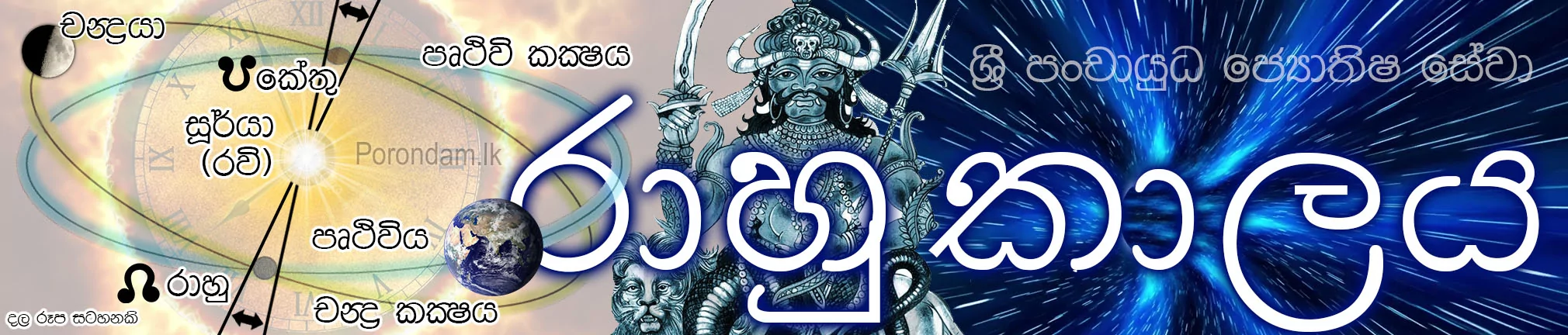
Generally, people use rough calculation for Rahu time taking 6:00 am as Sunrise, though the correct way is to calculate daily rahu kalaya (Rahu Kaal) from Sunrise and hence it changes slightly each day. Rahu time also changes for each city as the Sunrise differs from city to city and we, Sri Panchayudha Astrology Service mentioned above is accurate Rahu time calculated for your City. As per Astrology, the demon is responsible for swallowing the sun that causes eclipses. Rahu is shown with a human head that has a serpent’s body and is seated in a chariot that is drawn by eight black horses. The other name of Rahu is Bhayanaka, and it is considered one among the nine planets in astrology, that too a maleficent one. While every other planet has one day of the week dedicated to it, one and a half hours (1.5 hrs) of every day is dedicated to Rahu, and this period is called Rahukaalam today.
The time period for each segment is calculated by taking the total time between sunrise and sunset, at a given place, and then dividing the final number by 8 and generally this dark time period is believed to last for 90 minutes every day. On Monday Rahu Kaal falls on the 2nd period, Saturday on the 3rd period, Friday on the 4th period, Wednesday on the 5th period, Thursday on the 6th period, Tuesday on the 7th period and Sunday on the 8th period. According to some Rahu times on Tuesday, Friday and Sunday have more malefic effects than those of other weekdays. By default within entire Sri Lanka this Rahu Kalaya App showing above times based on Colombo (Sri Lanka) considering north latitude 6.93° and east longitude 79.86°. In addition, Good Direction (Suba Disawa), Bad Direction (Maru Sitina Disawa), Best Colour (Subha Warnaya) as well as auspicious times (Nakath, Muhurtha) are also available through this service.
සාමාන්ය ව්යවහාරයට අනුව අද දවසේ රාහු කාලය හෝ සතියේ දිනපතා රාහු කාලය යනු විශ්වයේ අයහපත් කිරණ ඒකීභූත වන අවස්ථාවක් හැටියටය. අප ජීවත්වන පෘථිවිය හා චන්ද්රයා ද සූර්යයා වටා භ්රමණය වන විට, දල වශයෙන් ගත් කල ජ්යොතිෂ්ශාස්ත්රයට අනුව සූර්යයාගේ කිරණ යම් කැපී යන අවස්ථාවක් ඇති අතර එහි එක් තැනක් කේතු බවත්, අනිත් පැත්ත රාහු වේ. දල වශයෙන් විනාඩි 90 ක කාලයක් පුරාවට පවතින මෙම කාලය තුළදී අප පෘථිවිය කරා පතිත වන්නේ අයහපත් වූ කිරණ බව ජ්යොතිෂ්ය පොත පතෙහි ග්රන්ථාරූඪ කර ඇත. රාහු කාළය පවතින වේලාව තුළ කරන වැඩ සාර්ථක නොවන්නේ එම අයහපත් කිරණ නිසා යෑයි ද සෘෂිවරු පවසා තිබේ. එම කාලය තුළ වැඩක් කළොත්, ප්රශ්න, ගැටලු, බාධා, අවහිරකම් සිදු වී අනතුරු පවා සිදු වන්නට වැඩි අවකාශයක් පවතී. විශ්වයේ පවතින අහිතකර කිරණ රාහු කාලයට අයත් වේලාව තුළ ඒකරාශීව පවතින බැවින් ඒ කාලය තුළ යහපත් කිසිවක් නොකළ යුතු බවද දෛවඥයෝ පවසා ඇත. සමහර අවස්ථාවන්හිදී කේන්දරයේ ග්රහ සංයෝග වල බල පරාක්රමයන්ට අනුව පූරුවේ වාසනාවකට එම කාළය තුල කරන්නා වූ කටයුත්තක් සාර්ථක වියහැකි නමුත් සමස්ථයක් වශයෙන් වැඩි ප්රවණතාවය වන්නේ එම කාලය තුළ වැදගත් සුබ කාර්යයක් කිරීමට යාමෙන් අවහිරතාවයක්, බාධාවක් හෝ අනතුරක් සිදුවන්නට ඇති අවස්ථාවන් උදා වීමයි.
රාහු චක්රයෙ මූලික පදනම වන්නේ ප්රහරක කාලයයි. දිනකට ප්රහකර කාල 08 ක් ඇති අතර දෛනික පැය 24 අටකට බෙදා ලැබෙන පැය 03 ක් එම ප්රහරක කාලයට අයත් වෙයි. මෙම කාලය නැවත දෙකට බදීෙමෙන් මිනිත්තු 90 ක කාලය අර්ධ ප්රහරක කාලය වන අතර මෙම පළමු පැය 1 1/2 ක කාලය දිනය අදිපතිට හිමිවන අතර දිනය අධිපතිට අනුව පිළිවෙළට අනෙක් ග්රහයන්ට ඉතිරි කාලය හිමිවෙයි. එහිදී රාහුගේ ගමන පසුපසට සිදුවන අතර දවස තුළ රාහු දිශා 04 න් 04 ට පැන යයි. එය රාහු පිම්ම ලෙස අර්ථකතනය කර ඇති අතර ප්රහරක කාලය ගණනය කරනු ලබන්නේ දිනයේ ඉර උදාවේ සිට පසු දින ඉර උදාව දක්වා වේ. රාහු පිම්මට අනුව සඳුදා දින පළමු අර්ධ ප්රහරක කාලයේ රාහු උතුරු දිසාවේ සිටීයි. රාහුට පිටුපස දිසා 04 ක් පනින බැවින් සඳුදා දින උදේ 07.30 ත් 9.00 ත් අතර රාහු නිරිත දිශාවට වැඩිම බලයකින් යුතුව ක්රියාත්මක වේ.
උදාහරණයක් වශයෙන් සඳුදා උදේ 6 සිට උදෑසන 07.30 තෙක් සඳු ග්රහයාට හිමි අර්ධ ප්රහරක කාලය උදා වන අතර දෙවන අර්ධ ප්රහරක කාලය කුජට අයිතියි. මෙලෙස පිළිවෙලට දිනයට අධිපතියන්ට අනුව බුධ, ගුරු, කිවි, ශනි, රවි ආදී ලෙස ගෙවී නැවත නැවත එය චක්රීයව අනෙක් දින ඉර උදාව තෙක් දිනෙන් දින සිදු වෙයි. ඉහත රාහු පිම්මට අනුව සඳුදා දින පළමු අර්ධ ප්රහරක කාලයේ රාහු උතුරු දිසාවේ සිටීයි. රාහු කාලය යනු වෙන් ගණනය කරනුයේ අදාල දිනයේ ඉර උදාවේ සිට ඉදිරි දිනයේ ඉර උදාව දක්වා වන අතර ඉර උදාව සිට සවස ඉර බැසීම දක්වා වන කාලය බෙදා රාහු කාලයට එක් කිරීමෙන් නොවේ. ගණනය කිරීමේ පහසුව තකා හිරු උදාව උදෑසන 6 ලෙස සලකා සිදු කලද සාමාන්යයෙන් සූර්යා උදා වන්නේ එක් එක් ප්දේශයන්ට විවිධ වූ වේලාවන් තුලදීය. ඒ අනුව ඉහතින් දක්වා ඇත්තේ සමස්ථ ශ්රී ලංකාවේදී කොළඹ අග නගරය පදනම් කර උතුරු අක්ෂාංශ 6.93° ට සහ නැගෙනහිර දේශාංශ 79.86° ට අදාල මධ්ය ලක්ෂයට ඒ ඒ දිනයන්හිදී සිදුවන්නා වූ සූර්ය උදාව අනුව ශ්රී පංචායුධ ජ්යොතිෂ සේවා විසින් ගණනය කරන්නා වූ සජීවී රාහු කාළය වන අතර සුබ වෙලාව හෝ වේලාවන් (ශුභ මුහුර්ථ) ගණනය කිරීමේදී මෙම නරක කාල සීමාව අත් හැරීමෙන් කාර්ය සිද්ධිය හෙවත් සුබ කටයුතු වල සඵලතාවය ඉහල යන බවට අතීතයේ සිට විශ්වාසයක් පවතී. මීට අමතරව සුබ දිශාව (Good Direction), මරු සිටින දිශාව (Bad Direction. Maru Sitina Disawa), සුබ වර්ණය (Best Colour) මෙන්ම සුබ නැකත් ආදියද මෙම සේවාව ඔස්සේ ලබා ගත හැක.
So, if you landed here searching for , consider this your sign. Put on your headphones, turn off the lights, and let the curry burn. Loved this deep dive? Share this article with fellow web series fans. And yes—there is no official Part 3, but we will update this space if the curry ever simmers again. Disclaimer: This article is for informational and entertainment purposes. All series details are based on publicly available search trends and fan discussions. Names and plot points are accurate to the original Kooku release as of 2021.
Munni, who had been playing both sides, finally chooses a lane. She reveals that Bhola is actually Thakur’s illegitimate son. The first 10 minutes are a masterclass in tension—dialogue is sparse, but the cinematography (dimly lit rooms, close-up shots of sweating faces) screams Kooku’s signature raw style. The title Chiken Curry isn't just a misspelling of "chicken"—it’s intentional. In Part 2, a village festival features a legendary chicken curry competition. Thakur uses the event to publicly humiliate Raja. But Raja, using a secret family recipe, turns the tables. This sequence is surreal: a cooking contest becomes a proxy war. The judges, the villagers, even the police are part of Thakur’s payroll, but Raja’s dish—"The Curry of Vengeance"—poisons Thakur’s top lieutenant.
Yes, it’s melodramatic. And yes, it works brilliantly. The final 15 minutes are relentless. Raja corners Bhola in the now-abandoned curry kitchen. The dialogue: Raja: “You were my brother, Bhola. We ate from the same plate.” Bhola: “And you always took the bigger piece of chicken.” That single line sums up the envy-driven tragedy of Chiken Curry Part 2 . The fight sequence is brutally choreographed—no wirework, just fists, knives, and a boiling pot of curry used as a weapon.
A Deep Dive into the Climax, Characters, and Controversy If you were one of the millions who binge-watched the first installment of Chiken Curry on the OTT platform Kooku, you already know that this wasn't your average family drama. In 2021, Kooku Originals dropped a bombshell with Chiken Curry Part 2 , a sequel that not only delivered on the promises of its predecessor but also elevated the stakes, the spice, and the sheer unpredictability of the narrative.
The keyword still sees hundreds of monthly searches, indicating that new viewers are discovering it even years later. It has become a template for how low-budget, story-first content can beat big-money productions. Conclusion: A Modern Cult Classic Chiken Curry Part 2 is not fine dining. It is street food—messy, spicy, and unforgettable. For fans of raw thriller dramas, regional cinema, or anyone tired of sanitized OTT content, this 2021 Kooku Original is a must-watch.
For those searching for — you have arrived at the right place. This article breaks down everything: the plot, character arcs, the raw aesthetic, and why this web series remains a cult favorite among digital content lovers. Part 1 Recap: What Happened Before the Curry Boiled Over? Before diving into Part 2, a quick recap. The first Chiken Curry introduced us to a gritty, rural backdrop where loyalties shift faster than the weather. The central metaphor—chicken curry—represented a simmering pot of secrets, desires, and power struggles.
රාහු කාලය 2023. 2023 sri lanka 2023 july 2023 august 2023 september sunday friday. 2023 september gold fm sri lanka today 2023 july 2023. august 2023 september sunday friday september gold fm wednesday 2023 yesterday. sri lanka 2023 july 2023. august 2023 september 2024 september 2025 2026 october. 2023 today රාහු කාලය ada dina heta daily tomorrow sri lanka sinhala dawase sathiye gishan.net 2023 suba welawan time subha asuba dishawa asubha maru sitina disawa. අද දවසේ මරු සිටින දිශාව දිසාව හෙට සුභ අසුබ අසුභ කාළය සතියේ දවස් දිනපතා වසරේ හෝරාව kala horawa 2024 2025.
%!s(int=2026) © %!d(string=Fresh Archive)