The culture of "letter writing" and "public debate" in Kerala translates directly to the cinema hall. The audience doesn't want to be pacified; they want to be provoked. Kerala is tiny—just 38,863 square kilometers—yet its heterogeneity is staggering. The marshy lowlands of Kuttanad, the spice-scented high ranges of Idukki, and the gritty, port-city chaos of Kozhikode each have distinct dialects, food habits, and anxieties.
To understand Malayalam cinema is to understand the psyche of the Malayali: a being who is at once fiercely communist, deeply devout, obsessively literary, and pragmatically global. The foundational DNA of Malayalam cinema was not the song-and-dance routine, but literature. In the 1950s and 60s, when other Indian film industries were building mythologies, Malayalam directors were adapting the gritty works of writers like S. K. Pottekkatt, M. T. Vasudevan Nair, and Uroob. mallu aunty in saree mmswmv high quality
From the late 1980s through the 1990s, legends like and Mammootty rose to superstardom not by being invincible, but by being profoundly vulnerable. Mohanlal’s character in Kireedam (1989) is a tragedy of a young man forced into violence against his will; he doesn’t triumph—he breaks. Mammootty in Ore Kadal (2007) plays an intellectual economist grappling with desire and guilt. The culture of "letter writing" and "public debate"
The Malayali audience has a dual appetite. They will watch a slow, existential drama like Nayattu (2021) on a Thursday and a slapstick, misogynistic comedy like Bheeshma Parvam (2022) on a Friday. This duality reflects Kerala’s own cultural split: a highly literate society that still watches soap operas with regressive tropes. The marshy lowlands of Kuttanad, the spice-scented high







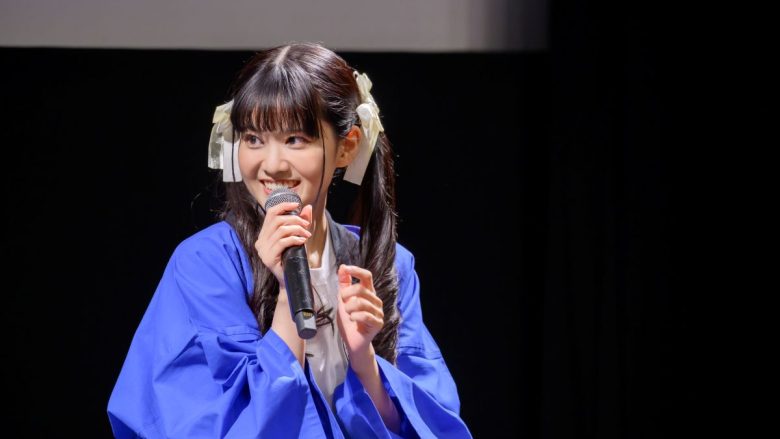
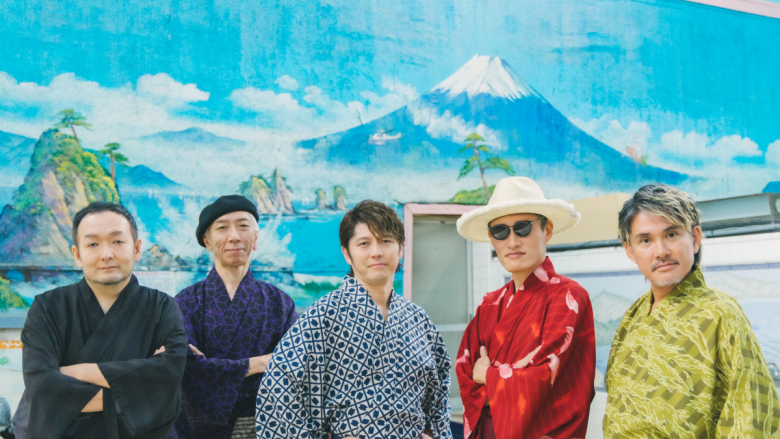
![DIALOGUE+主催音楽フェス“DIALOGUE+Festa!! DAY stage -Collaboration with リスアニ!-”開催記念 短期連載![第2回目 田淵智也(DIALOGUE+総合プロデューサー)×馬嶋 亮(リスアニ!編集長)対談]](https://www.lisani.jp/admin/wp-content/uploads/2026/03/2603041800-ak-001-1-780x439.jpg)

![DIALOGUE+主催音楽フェス“DIALOGUE+Festa!! DAY stage -Collaboration with リスアニ!-”開催記念 短期連載![第1回目 ご挨拶]](https://www.lisani.jp/admin/wp-content/uploads/2026/02/2602221200-ak-001-780x439.jpg)