x HomeWinkelKlantenserviceLijstenAll-in-1HardwareReviewsInkoopHelden

Momsfamilysecrets.24.08.07.alyssia.vera.stepmom... Now

Then there is (2018), the gold standard of modern blended family cinema. Based on director Sean Anders’ own life, the film follows Pete and Ellie (Mark Wahlberg and Rose Byrne), a couple who decide to foster three siblings. The film eschews the Hallmark ending for the gritty reality: the biological mother’s visitation rights, the eldest daughter’s resistance to being "replaced," and the terrifying moment the children try to run away.

Today’s best films argue that the blended family is an act of radical imagination. It requires adults to step out of the fantasy of the "first try" and embrace the mess of the second act. It requires children to be emotionally intelligent beyond their years. MomsFamilySecrets.24.08.07.Alyssia.Vera.Stepmom...

In the last decade, from The Mitchells vs. The Machines to Marriage Story and The Lost Daughter , cinema has held up a cracked mirror to society, asking a profound question: What makes a family real? Is it blood, or is it effort? Let’s acknowledge the elephant in the living room: the historical villain. For nearly a century, stepparents—specifically stepmothers—were psychopaths. They locked princesses in towers, poisoned apples, and emotionally tortured orphans. Then there is (2018), the gold standard of

Instead, directors like Noah Baumbach ( Marriage Story ), Greta Gerwig ( Lady Bird —featuring a stepfather who is silent but present), and Sean Anders are treating these units with . They recognize that the blended family’s central conflict is not a lack of love, but a surplus of fear: If I love this new person, am I betraying the old one? The Verdict Modern cinema has finally caught up to the playground. Kids no longer whisper "stepmom" like a curse word. Similarly, movies no longer rely on the crutch of the wicked stepparent. Today’s best films argue that the blended family

But the statistics don’t lie. According to the Pew Research Center, approximately 16% of children in the United States live in blended families. In response, modern cinema has shifted gears. No longer are stepparents merely the "evil" archetypes of Cinderella or the bumbling fools of 80s slapstick. Today’s filmmakers are exploring the messy, beautiful, and often painful alchemy of forging kinship.

For decades, the nuclear family was the undisputed hero of Hollywood. From Leave It to Beaver to The Cosby Show , the cinematic and televisual landscape was dominated by the biological, two-parent, 2.5-children model. The "blended family"—a unit where stepparents, step-siblings, and half-siblings merge under one potentially volatile roof—was often treated as a comedic sideshow or a tragic melodrama.

Bestel zondag voor 18.00u, morgen in huis.

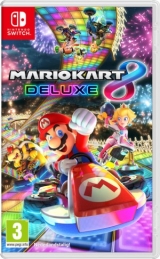
/Mario Kart 8 Deluxe voor Nintendo Switch 1
 45.49  € 39.49
1. Mario Kart 8 Deluxe
 
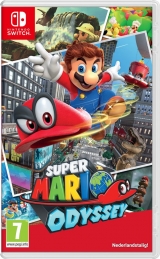
/Super Mario Odyssey voor Nintendo Switch 1
 44.99  € 39.49
2. Super Mario Odyssey
 
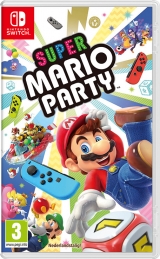
/Super Mario Party voor Nintendo Switch 1
  € 43.99
3. Super Mario Party
 
/New Super Mario Bros. U Deluxe Lelijk Eendje voor Nintendo Switch 1
 45.49  € 37.99
4. New Super Mario Bros. U Deluxe
 
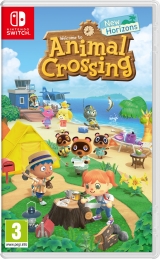
/Animal Crossing: New Horizons Lelijk Eendje voor Nintendo Switch 1
 37.99  € 33.99
5. Animal Crossing: New Horizons
 
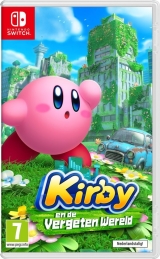
/Kirby en de Vergeten Wereld voor Nintendo Switch 1
  € 47.49
6. Kirby en de Vergeten Wereld
 
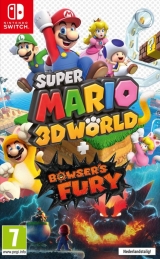
/Super Mario 3D World + Bowser’s Fury voor Nintendo Switch 1
  € 44.99
7. Super Mario 3D World + Bowser’s Fury
 
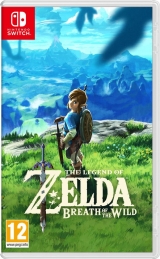
/The Legend of Zelda: Breath of the Wild voor Nintendo Switch 1
 48.49  € 42.99
8. The Legend of Zelda: Breath of the Wild
 
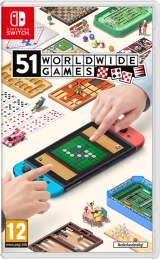
/51 Worldwide Games voor Nintendo Switch 1
  € 33.99
9. 51 Worldwide Games
 
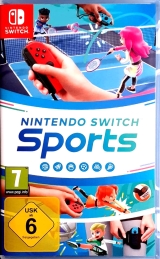
/Nintendo Switch Sports voor Nintendo Switch 1
  € 36.99
10. Nintendo Switch Sports

Then there is (2018), the gold standard of modern blended family cinema. Based on director Sean Anders’ own life, the film follows Pete and Ellie (Mark Wahlberg and Rose Byrne), a couple who decide to foster three siblings. The film eschews the Hallmark ending for the gritty reality: the biological mother’s visitation rights, the eldest daughter’s resistance to being "replaced," and the terrifying moment the children try to run away.

Today’s best films argue that the blended family is an act of radical imagination. It requires adults to step out of the fantasy of the "first try" and embrace the mess of the second act. It requires children to be emotionally intelligent beyond their years.

In the last decade, from The Mitchells vs. The Machines to Marriage Story and The Lost Daughter , cinema has held up a cracked mirror to society, asking a profound question: What makes a family real? Is it blood, or is it effort? Let’s acknowledge the elephant in the living room: the historical villain. For nearly a century, stepparents—specifically stepmothers—were psychopaths. They locked princesses in towers, poisoned apples, and emotionally tortured orphans.

Instead, directors like Noah Baumbach ( Marriage Story ), Greta Gerwig ( Lady Bird —featuring a stepfather who is silent but present), and Sean Anders are treating these units with . They recognize that the blended family’s central conflict is not a lack of love, but a surplus of fear: If I love this new person, am I betraying the old one? The Verdict Modern cinema has finally caught up to the playground. Kids no longer whisper "stepmom" like a curse word. Similarly, movies no longer rely on the crutch of the wicked stepparent.

But the statistics don’t lie. According to the Pew Research Center, approximately 16% of children in the United States live in blended families. In response, modern cinema has shifted gears. No longer are stepparents merely the "evil" archetypes of Cinderella or the bumbling fools of 80s slapstick. Today’s filmmakers are exploring the messy, beautiful, and often painful alchemy of forging kinship.

For decades, the nuclear family was the undisputed hero of Hollywood. From Leave It to Beaver to The Cosby Show , the cinematic and televisual landscape was dominated by the biological, two-parent, 2.5-children model. The "blended family"—a unit where stepparents, step-siblings, and half-siblings merge under one potentially volatile roof—was often treated as a comedic sideshow or a tragic melodrama.
Thuiswinkel Waarborg