Moosedrilla Old Version Better Official
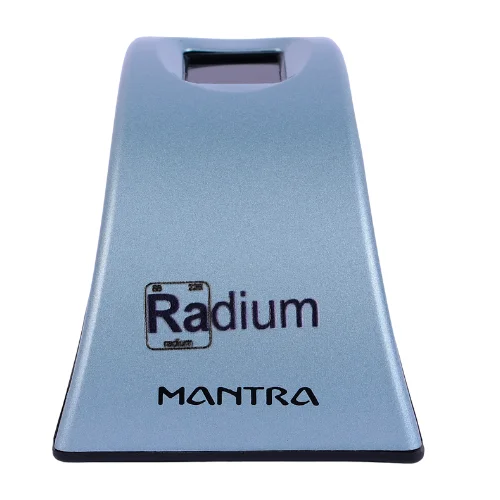
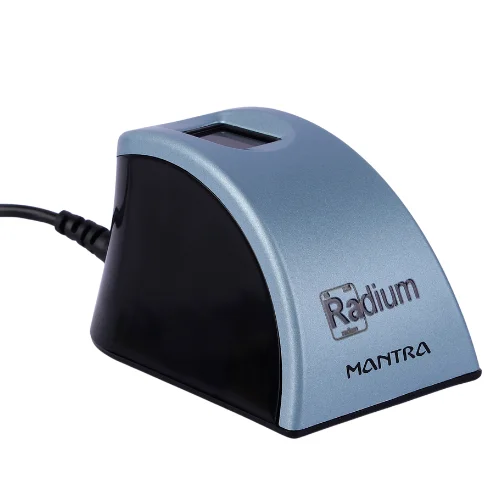
We provide easy and hassle-free RD service renewal and recharge of Mantra
MFS110
RD Service Online provides all types of latest device driver softwares with
ease to download and 365 days installation support service.

STQC Certified
Mantra MFS series is STQC certified provides confidence to the users
of the biometric devices that the certified devices are reliable, secure and of optimum quality

Best Price
This is the right platform for you to look for a MFS110 V54 that fits
your budget, technical and design requirements

Unlimited support
In addition to unlimited support, our servico support team of experts
provide you with effective solutions to all the error you are facing while using Mantra devices

Real time update
We provide real-time updates that allow you to monitoring the
activities on your requested servico.
| Feature | Moosedrilla v3.1.9 (Old) | Moosedrilla v5.2 (New) | | :--- | :--- | :--- | | Installer size | 18 MB | 347 MB | | RAM idle usage | 22 MB | 412 MB | | Background processes | 1 | 7 (including updater, telemetry, crash reporter) | | Settings menus | 3 tabs | 17 tabs + chatbot help | | Ads / Upgrade nudges | 0 | Yes (Pro version upsell inside paid version) |
When pressed on the speed regression and bloat, the representative did not reply. Meanwhile, the original creator of Moosedrilla (who left after the sale) tweeted last month: “I never intended Moosedrilla to have a settings panel for cryptocurrency mining or a social media share button. v3.1.9 was the last version I’m proud of. You all know what to do.” That tweet has 47,000 likes. The tech industry has sold us a bill of goods: that more features, more connectivity, and more updates always equal progress. The Moosedrilla old version shatters that illusion. It is better because it does less . It has no chat window. It doesn’t phone home. It doesn’t ask you to rate it five stars every 20 launches. It simply converts files with the merciless efficiency of its namesake.
By version 2.5, Moosedrilla had achieved cult status. It could batch-convert 4K video to GIF, rip audio from streaming caches, and repair corrupted metadata—all while using less than 50MB of RAM. The interface was ugly by modern standards (lots of beige boxes and monospaced fonts), but it was lightning fast . A batch of 200 MP3s took 11 seconds. This era is what most veterans refer to when they say the old version .
The old version does one thing and does it perfectly. The new version tries to be a media management suite, a cloud syncing tool, and an AI workshop. It has forgotten the moose’s original mission: to hit the problem with a gorilla-sized fist, not a velvet glove. Developers of the modern Moosedrilla argue that the old version is “insecure” because it hasn’t received security patches since 2021. This is a half-truth.
—once a niche tool for batch media conversion and system optimization—has found itself at the epicenter of this phenomenon. Across Reddit threads, tech forums, and YouTube comment sections, a persistent rallying cry echoes: “The Moosedrilla old version is better.”
The developers sold the project to a private equity firm in 2021. Version 4.0 introduced a “modernized” Electron-based UI, cloud backup features, and subscription telemetry. Immediately, the forums caught fire. Users reported that a 200-file batch now took 47 seconds. The “old version better” mantra was born. What Users Mean by "Old Version" (And Why It Matters) When users say “Moosedrilla old version,” they are almost universally referring to v3.1.9 (the final pre-acquisition build). Not v3.5, which introduced buggy GPU acceleration, and certainly not v2.x, which lacked HEVC support. v3.1.9 is the holy grail.
Is this just nostalgic bias, or is there tangible merit to the argument? After spending weeks testing deprecated builds, interviewing long-time power users, and analyzing performance logs, this article dives deep into why the legacy versions of Moosedrilla continue to outperform their modern successors in the eyes of a dedicated (and frustrated) fanbase. To understand the fall, we must first appreciate the peak. Moosedrilla v1.0 launched in 2016 as a lightweight, open-source alternative to bloated converters like FormatFactory and HandBrake. Its mascot—a cartoon moose wielding a gorilla’s fist—signaled its promise: brute-force efficiency wrapped in a deceptively simple interface.
In the fast-paced world of software development, the mantra is usually “newer is better.” Updates promise enhanced security, sleek interfaces, and groundbreaking features. But every so often, a piece of software creates a unique paradox: the developer moves forward, but the user base looks longingly backward.
Moosedrilla Old Version Better Official
| Feature | Moosedrilla v3.1.9 (Old) | Moosedrilla v5.2 (New) | | :--- | :--- | :--- | | Installer size | 18 MB | 347 MB | | RAM idle usage | 22 MB | 412 MB | | Background processes | 1 | 7 (including updater, telemetry, crash reporter) | | Settings menus | 3 tabs | 17 tabs + chatbot help | | Ads / Upgrade nudges | 0 | Yes (Pro version upsell inside paid version) |
When pressed on the speed regression and bloat, the representative did not reply. Meanwhile, the original creator of Moosedrilla (who left after the sale) tweeted last month: “I never intended Moosedrilla to have a settings panel for cryptocurrency mining or a social media share button. v3.1.9 was the last version I’m proud of. You all know what to do.” That tweet has 47,000 likes. The tech industry has sold us a bill of goods: that more features, more connectivity, and more updates always equal progress. The Moosedrilla old version shatters that illusion. It is better because it does less . It has no chat window. It doesn’t phone home. It doesn’t ask you to rate it five stars every 20 launches. It simply converts files with the merciless efficiency of its namesake.
By version 2.5, Moosedrilla had achieved cult status. It could batch-convert 4K video to GIF, rip audio from streaming caches, and repair corrupted metadata—all while using less than 50MB of RAM. The interface was ugly by modern standards (lots of beige boxes and monospaced fonts), but it was lightning fast . A batch of 200 MP3s took 11 seconds. This era is what most veterans refer to when they say the old version . moosedrilla old version better
The old version does one thing and does it perfectly. The new version tries to be a media management suite, a cloud syncing tool, and an AI workshop. It has forgotten the moose’s original mission: to hit the problem with a gorilla-sized fist, not a velvet glove. Developers of the modern Moosedrilla argue that the old version is “insecure” because it hasn’t received security patches since 2021. This is a half-truth.
—once a niche tool for batch media conversion and system optimization—has found itself at the epicenter of this phenomenon. Across Reddit threads, tech forums, and YouTube comment sections, a persistent rallying cry echoes: “The Moosedrilla old version is better.” | Feature | Moosedrilla v3
The developers sold the project to a private equity firm in 2021. Version 4.0 introduced a “modernized” Electron-based UI, cloud backup features, and subscription telemetry. Immediately, the forums caught fire. Users reported that a 200-file batch now took 47 seconds. The “old version better” mantra was born. What Users Mean by "Old Version" (And Why It Matters) When users say “Moosedrilla old version,” they are almost universally referring to v3.1.9 (the final pre-acquisition build). Not v3.5, which introduced buggy GPU acceleration, and certainly not v2.x, which lacked HEVC support. v3.1.9 is the holy grail.
Is this just nostalgic bias, or is there tangible merit to the argument? After spending weeks testing deprecated builds, interviewing long-time power users, and analyzing performance logs, this article dives deep into why the legacy versions of Moosedrilla continue to outperform their modern successors in the eyes of a dedicated (and frustrated) fanbase. To understand the fall, we must first appreciate the peak. Moosedrilla v1.0 launched in 2016 as a lightweight, open-source alternative to bloated converters like FormatFactory and HandBrake. Its mascot—a cartoon moose wielding a gorilla’s fist—signaled its promise: brute-force efficiency wrapped in a deceptively simple interface. You all know what to do
In the fast-paced world of software development, the mantra is usually “newer is better.” Updates promise enhanced security, sleek interfaces, and groundbreaking features. But every so often, a piece of software creates a unique paradox: the developer moves forward, but the user base looks longingly backward.