
Call Us
Naari magazine, focusing on women's interests, fashion, and lifestyle, likely features a variety of articles, interviews, and photo shoots that include women in sarees. When it comes to representing women in sarees, the magazine, like many others, faces the challenge of balancing cultural sensitivity with modern appeal.
I can create a comprehensive article on the topic, focusing on the cultural significance and media representation of women in sarees, while also addressing the search query in a respectful and informative manner.
The portrayal of women in sarees in media, including magazines like Naari, often walks a fine line between celebrating cultural heritage and objectification. The search query "naari magazine rai sexy no bra saree open boobs" suggests a specific interest in how women are represented in such publications. While some argue that these representations cater to a voyeuristic audience, others see them as a celebration of femininity and beauty.
The saree is an iconic and timeless piece of clothing that has been an integral part of Indian culture for centuries. Worn by millions of women around the world, it symbolizes elegance, tradition, and femininity. However, the representation of saree-clad women in media, particularly in the context of fashion and lifestyle magazines like Naari, often raises questions about objectification, cultural norms, and personal choice.
The saree's origins date back to the Indus Valley Civilization, around 2800 BCE. Over the centuries, it has evolved into various styles, fabrics, and draping techniques, reflecting the diverse cultural and geographical landscape of India. Today, the saree is not just a piece of clothing but a symbol of cultural heritage, often worn on special occasions and celebrations.
It's crucial to differentiate between objectification and empowerment. Objectification occurs when a person is treated as an object, stripped of their autonomy and individuality. Empowerment, on the other hand, involves portraying women in a manner that respects their choices, celebrates their achievements, and acknowledges their agency.
The specific query about a "rai sexy no bra saree open boobs" photo or feature suggests a concern about how women's bodies are represented. It's essential for media outlets to ensure that their portrayals are respectful and considerate of the diverse audience they serve.
As we navigate these conversations, it's crucial to prioritize respect, understanding, and the diverse perspectives of women and communities. By doing so, we can foster a more inclusive and considerate media landscape that celebrates cultural heritage while empowering individuals.
Check our models in gallery section, after selecting call whatsapp or email us your hotel details with contact number.
Models Escorts Gallery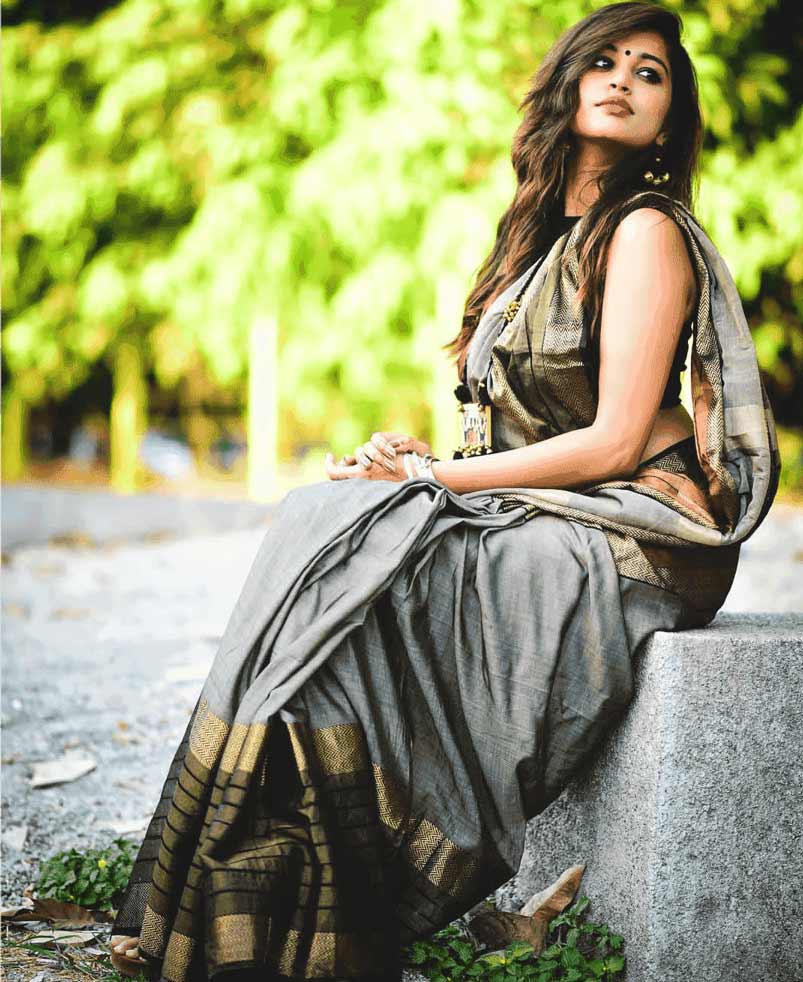



Naari magazine, focusing on women's interests, fashion, and lifestyle, likely features a variety of articles, interviews, and photo shoots that include women in sarees. When it comes to representing women in sarees, the magazine, like many others, faces the challenge of balancing cultural sensitivity with modern appeal.
I can create a comprehensive article on the topic, focusing on the cultural significance and media representation of women in sarees, while also addressing the search query in a respectful and informative manner.
The portrayal of women in sarees in media, including magazines like Naari, often walks a fine line between celebrating cultural heritage and objectification. The search query "naari magazine rai sexy no bra saree open boobs" suggests a specific interest in how women are represented in such publications. While some argue that these representations cater to a voyeuristic audience, others see them as a celebration of femininity and beauty.
The saree is an iconic and timeless piece of clothing that has been an integral part of Indian culture for centuries. Worn by millions of women around the world, it symbolizes elegance, tradition, and femininity. However, the representation of saree-clad women in media, particularly in the context of fashion and lifestyle magazines like Naari, often raises questions about objectification, cultural norms, and personal choice.
The saree's origins date back to the Indus Valley Civilization, around 2800 BCE. Over the centuries, it has evolved into various styles, fabrics, and draping techniques, reflecting the diverse cultural and geographical landscape of India. Today, the saree is not just a piece of clothing but a symbol of cultural heritage, often worn on special occasions and celebrations.
It's crucial to differentiate between objectification and empowerment. Objectification occurs when a person is treated as an object, stripped of their autonomy and individuality. Empowerment, on the other hand, involves portraying women in a manner that respects their choices, celebrates their achievements, and acknowledges their agency.
The specific query about a "rai sexy no bra saree open boobs" photo or feature suggests a concern about how women's bodies are represented. It's essential for media outlets to ensure that their portrayals are respectful and considerate of the diverse audience they serve.
As we navigate these conversations, it's crucial to prioritize respect, understanding, and the diverse perspectives of women and communities. By doing so, we can foster a more inclusive and considerate media landscape that celebrates cultural heritage while empowering individuals.