By Gergely Orosz, the author of The Pragmatic Engineer Newsletter and Building Mobile Apps at Scale
Navigating senior, tech lead, staff and principal positions at tech companies and startups. An Amazon #1 Best Seller. New: the hardcover is out! As is the audibook. Now available in 6 languages.
This article serves as a comprehensive guide. We will explore the literary genius of Kapoor, list his most iconic works, discuss the legal and ethical landscape of downloading PDFs, and provide legitimate pathways to access his digital legacy. Before hunting for the PDF, one must understand the weight of the name. Born in 1926 in Sialkot (now in Pakistan), Narinder Singh Kapoor witnessed the trauma of Partition, which deeply influenced his narrative style. Unlike the intense, tragic prose of some contemporaries, Kapoor mastered the art of satire .
If you type this into Google, you will find a mixed bag of results. Some blogs and forum posts claim to offer links. However, there is a significant problem:
Don't let the dark web frustrate you. Celebrate the digital resurrection of Punjabi literature by accessing it legally. Narinder Singh Kapoor’s wit deserves a clean screen and a clear conscience. Disclaimer: This article is for informational purposes. Always respect copyright laws. The author encourages the legal purchase of digital goods to support the literary community.
In the vast and vibrant landscape of Punjabi literature, few names command as much respect and nostalgia as Narinder Singh Kapoor . A towering figure of the mid-20th century, Kapoor’s witty, satirical, and deeply humanistic stories have shaped the psyche of Punjabis for generations. However, in the digital age, a common query echoes through the virtual halls of students, researchers, and diaspora readers: "Where can I find Narinder Singh Kapoor books PDF?"
Open a new tab. Go to Amazon Kindle Store . Type "Chand di Warr Narinder Singh Kapoor" . Click "Buy for Kindle." For less than two dollars, you will have a pristine, searchable, portable PDF on your phone in less than 10 seconds.
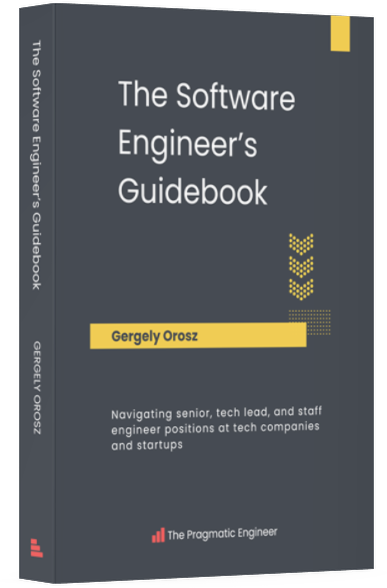
The book is separated into six standalone parts, each part covering several chapters:
Parts 1 and 6 apply to all engineering levels: from entry-level software developers to principal or above engineers. Parts 2, 3, 4 and 5 cover increasingly senior engineering levels. These four parts group topics in chapters – such as ones on software engineering, collaboration, getting things done, and so on.
This book is more of a reference book that you can refer back to, as you grow in your career. I suggest skimming over the career levels and chapters that you are familiar with, and focus reading on topics you struggle with, or career levels where you are aiming to get to. Keep in mind that expectations can vary greatly between companies.
In this book, I’ve aimed to align the topics and leveling definitions closer to what is typical at Big Tech and scaleups: but you might find some of the topics relevant for lower career levels in later chapters. For example, we cover logging, montiroing and oncall in Part 5: “Reliable software systems” in-depth: but it’s useful – and oftentimes necessary! – to know about these practices below the staff engineer levels.
The Software Engineer's Guidebook is available in multiple languages:
You should now be able to ask your local book shops to order the book for you via Ingram Spark Print-on-demand - using the ISBN code 9789083381824. I'm also working on making the paperback more accessible in additional regions, including translated versions. Please share details here if you're unable to get the book in your country and I'll aim to remedy the situation.
I'd like to think so! The book can help you get ideas on how to help software engineers on your team grow. And if you are a hands-on engineering manager (which I hope you might be!) then you can apply the topics yourself! I wrote more about staying hands-on as an engineering manager or lead in The Pragmatic Engineer Newsletter.
I've gotten this variation of a question from Data Engineers, ML Engineers, designers and SREs. See the more detailed table of contents and the "Look inside" sample to get a better idea of the contents of the book. I have written this book with software engineers as the target group, and the bulk of the book applies for them. Part 1 is more generally applicable career advice: but that's still smaller subset of the book.