


Lunes, 09 de marzo de 2026

ES NOTICIA

RSC24 de febrero, 2022

Missax.21.02.07.elena.koshka.yes.daddy.xxx.1080... [Extended | 2024]

Las mujeres de entre 70 y 79 años son las principales afectadas. Las mujeres de entre 70 y 79 años son las principales afectadas.

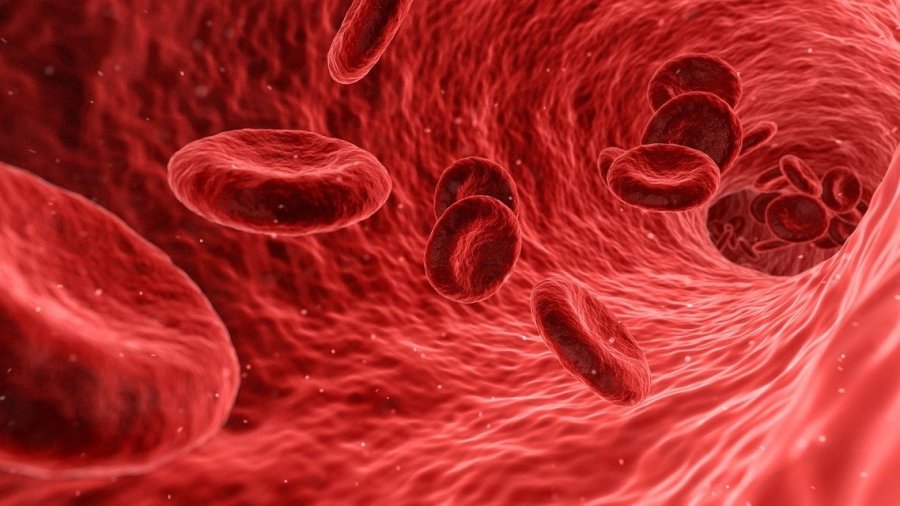
Esta enfermedad es un tipo de vasculitis que inflama las arterias de mediano y de gran calibre.

Pharma Market

Television accelerated this convergence. The "Golden Age of TV" in the 1950s turned into a shared ritual—the family gathered around the cathode ray tube for "I Love Lucy" or the evening news. For decades, the flow was one-way: studios produced, and audiences consumed. The Digital Tectonic Shift: The Rise of the Creator Economy The internet shattered the monolith. The last twenty years have witnessed the most radical transformation in entertainment content and popular media since Gutenberg invented the printing press. The keyword here is democratization .

Streaming wars have led to a content arms race. Netflix, Disney+, Amazon Prime, and Apple TV+ collectively spend over $50 billion annually on original . This has been a boon for creators (more greenlights) but a disaster for profitability. The result is a "peak TV" bubble, where thousands of shows are produced, but only a handful break through the noise.

Today, is no longer the sole province of Hollywood gatekeepers. A teenager in their bedroom with a smartphone and an idea can reach a global audience. Platforms like YouTube, Twitch, and TikTok have given rise to "micro-fame" and niche genres that would never have survived the old studio system.

In the modern era, few forces shape human perception, culture, and behavior as powerfully as entertainment content and popular media . From the golden age of cinema and network television to the current tsunami of streaming series, TikTok loops, and viral podcasts, this dynamic duo has moved from being a simple source of leisure to the primary architect of global consciousness. But how did we get here, and what does the relentless churn of content mean for creators, consumers, and society at large?

This has led to the rise of , a cultural phenomenon that alters how we perceive time and narrative. Instead of experiencing a story over months (building tension and anticipation), we swallow entire seasons in a weekend. The result? A paradox of abundance: we have more popular media than ever, yet we frequently feel that "there is nothing to watch." Genre Blurring: The New Aesthetics of Pop Media One of the most exciting developments in entertainment content is the death of strict genre separation. Popular media today is fundamentally hybrid.

This article explores the history, current landscape, psychological impact, and future trajectory of , offering a comprehensive guide to understanding the machinery that keeps billions of eyes glued to screens. The Historical Convergence: From Vaudeville to Viral To understand modern popular media , we must first acknowledge its roots. A century ago, "entertainment" was localized: a vaudeville show in New York was different from a folk dance in Mumbai. The advent of radio and cinema changed that.

Traditional (movies, albums, books) now compete for attention with reaction videos, unboxings, and "day in the life" vlogs. This has forced legacy media to adapt. Late-night talk shows now clip their own content for YouTube. Movie trailers are released as TikTok "stitches." The line between professional and amateur is irrevocably blurred. The Business of Attention: Monetization and Metrics Underpinning all of this is the economics of attention. Entertainment content is the bait; advertising and subscriptions are the hook. In the era of popular media , the product is not the show—the product is the viewer's time .

Consider the most successful shows of the last five years (e.g., "Stranger Things," "The Last of Us," "Everything Everywhere All at Once"). They mix horror, comedy, drama, sci-fi, and family melodrama within a single scene. Audiences raised on the internet have high visual literacy and short patience for cliché. They demand originality, meta-commentary, and self-awareness from their .


Puedes seguirnos

POSTS DESTACADOS

Missax.21.02.07.elena.koshka.yes.daddy.xxx.1080... [Extended | 2024]

Television accelerated this convergence. The "Golden Age of TV" in the 1950s turned into a shared ritual—the family gathered around the cathode ray tube for "I Love Lucy" or the evening news. For decades, the flow was one-way: studios produced, and audiences consumed. The Digital Tectonic Shift: The Rise of the Creator Economy The internet shattered the monolith. The last twenty years have witnessed the most radical transformation in entertainment content and popular media since Gutenberg invented the printing press. The keyword here is democratization .

Streaming wars have led to a content arms race. Netflix, Disney+, Amazon Prime, and Apple TV+ collectively spend over $50 billion annually on original . This has been a boon for creators (more greenlights) but a disaster for profitability. The result is a "peak TV" bubble, where thousands of shows are produced, but only a handful break through the noise.

Today, is no longer the sole province of Hollywood gatekeepers. A teenager in their bedroom with a smartphone and an idea can reach a global audience. Platforms like YouTube, Twitch, and TikTok have given rise to "micro-fame" and niche genres that would never have survived the old studio system. MissaX.21.02.07.Elena.Koshka.Yes.Daddy.XXX.1080...

In the modern era, few forces shape human perception, culture, and behavior as powerfully as entertainment content and popular media . From the golden age of cinema and network television to the current tsunami of streaming series, TikTok loops, and viral podcasts, this dynamic duo has moved from being a simple source of leisure to the primary architect of global consciousness. But how did we get here, and what does the relentless churn of content mean for creators, consumers, and society at large?

This has led to the rise of , a cultural phenomenon that alters how we perceive time and narrative. Instead of experiencing a story over months (building tension and anticipation), we swallow entire seasons in a weekend. The result? A paradox of abundance: we have more popular media than ever, yet we frequently feel that "there is nothing to watch." Genre Blurring: The New Aesthetics of Pop Media One of the most exciting developments in entertainment content is the death of strict genre separation. Popular media today is fundamentally hybrid. Television accelerated this convergence

This article explores the history, current landscape, psychological impact, and future trajectory of , offering a comprehensive guide to understanding the machinery that keeps billions of eyes glued to screens. The Historical Convergence: From Vaudeville to Viral To understand modern popular media , we must first acknowledge its roots. A century ago, "entertainment" was localized: a vaudeville show in New York was different from a folk dance in Mumbai. The advent of radio and cinema changed that.

Traditional (movies, albums, books) now compete for attention with reaction videos, unboxings, and "day in the life" vlogs. This has forced legacy media to adapt. Late-night talk shows now clip their own content for YouTube. Movie trailers are released as TikTok "stitches." The line between professional and amateur is irrevocably blurred. The Business of Attention: Monetization and Metrics Underpinning all of this is the economics of attention. Entertainment content is the bait; advertising and subscriptions are the hook. In the era of popular media , the product is not the show—the product is the viewer's time . The Digital Tectonic Shift: The Rise of the

Consider the most successful shows of the last five years (e.g., "Stranger Things," "The Last of Us," "Everything Everywhere All at Once"). They mix horror, comedy, drama, sci-fi, and family melodrama within a single scene. Audiences raised on the internet have high visual literacy and short patience for cliché. They demand originality, meta-commentary, and self-awareness from their .

Aviso de Cookies

El sitio web www.phmk.es utiliza cookies propias y de terceros para recopilar información que ayuda a optimizar su visita a sus páginas web. No se utilizarán las cookies para recoger información de carácter personal. Usted puede permitir su uso o rechazarlo, también puede cambiar su configuración siempre que lo desee. Encontrará más información en nuestra Política de Cookies.

Saber más

Suscríbete GRATIS a las newsletters de Pharma Market